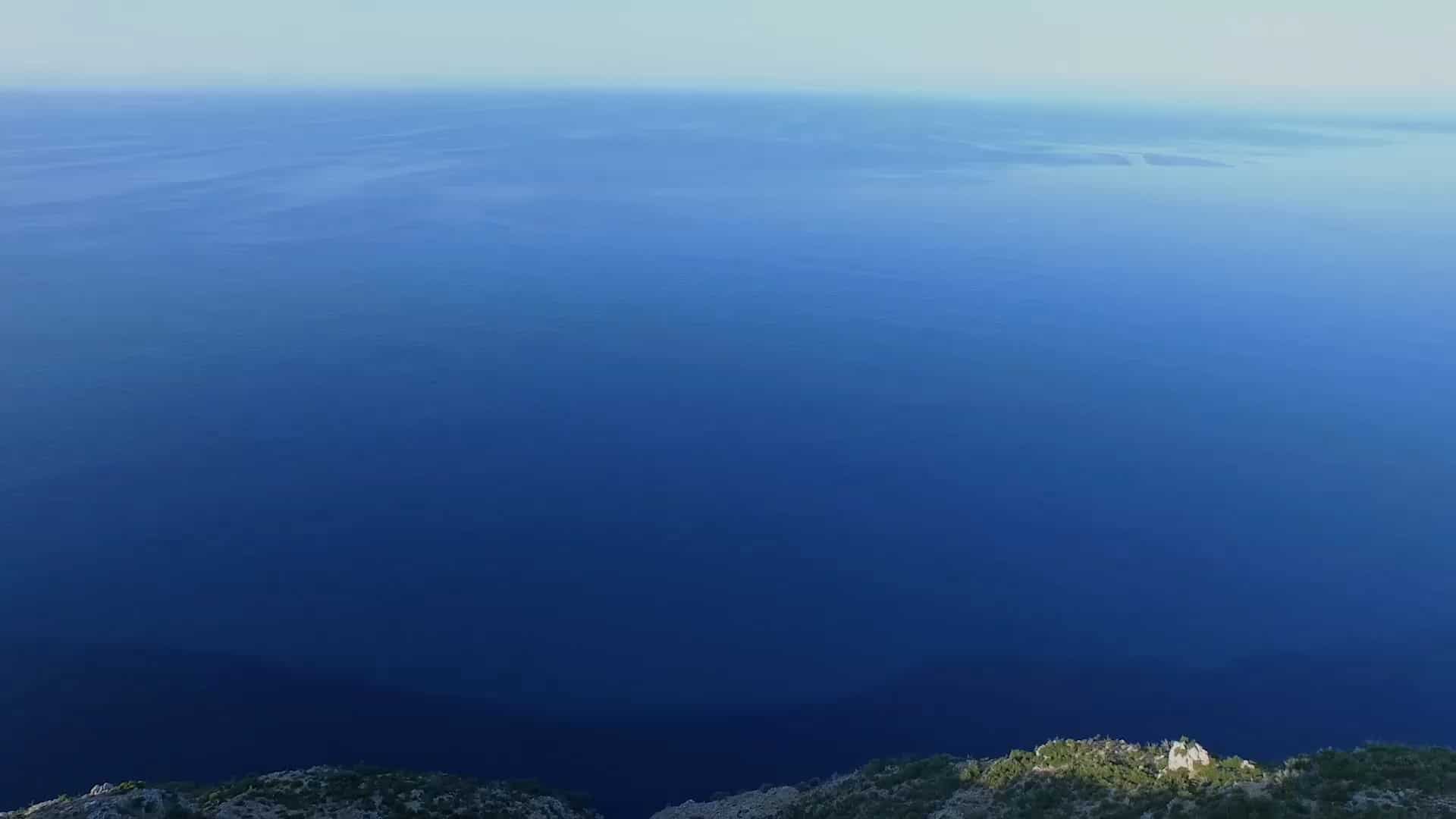
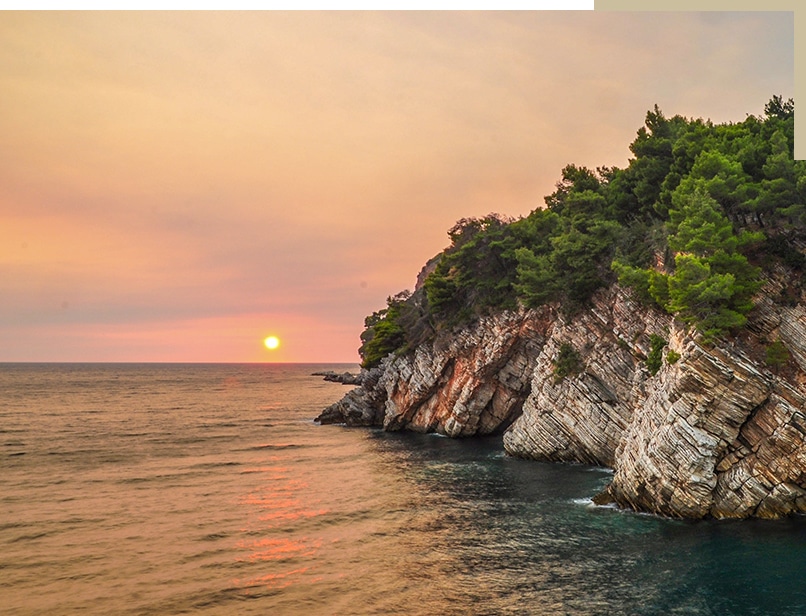
The art of living in the Mediterranean is reflected in the refined relationship between the public and the private. Public life is ubiquitous and with its intensity, like the midday sun, does not allow the man to hide. Squares, piazzas and street “pidžuns“ create a scene where everyone knows everything: who, where, with whom … Nevertheless, people have learned how to dive into the privacy of the home without severing the connection with life’s promenade. Behind the unobtrusive screens of internal courtyards and half-opened window shutters, one eye is always set on the street or on the high seas from where ships carry good and evil. Life is adjusted to the relationship between light and shade. The SUN is life, and the SHADE is salvation from life. Our choice is how deep to go into the shade. Creating a Mediterranean settlement means finding a fine balance between the open scene and the introversion of the interior space of the home with discrete, refined views towards the environment. Panoramic views (so popular today) are more suitable to the public scene. From the home it is „safer“ to admire the sea through slightly opened shutters or hidden in the shade of the stone arch…
Or hide in a “sea” of greenery where there is already a natural balance of light and shadow…
1/3
About montenegro
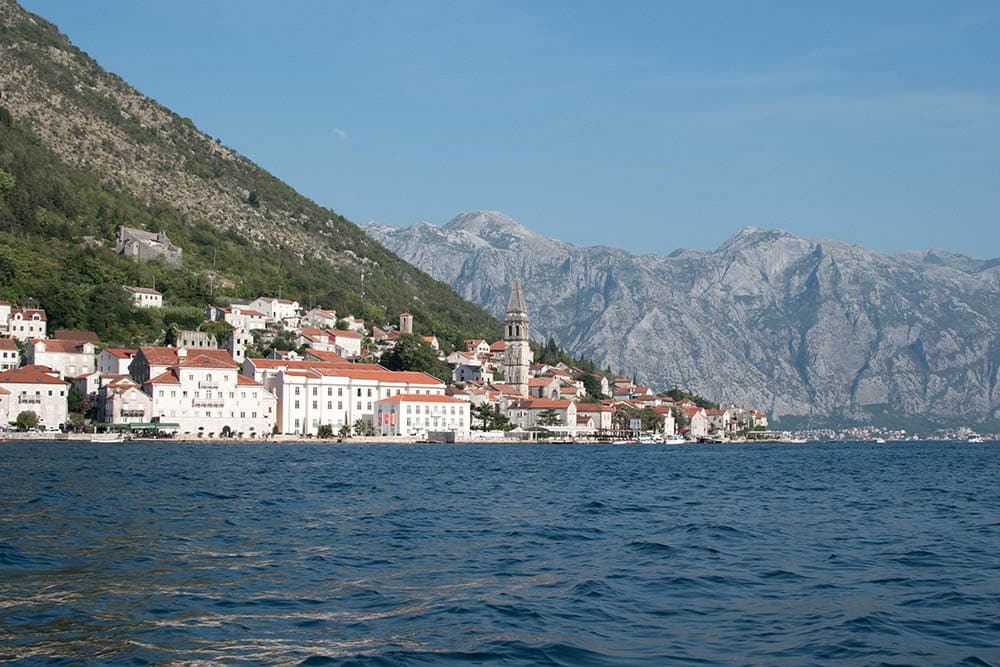
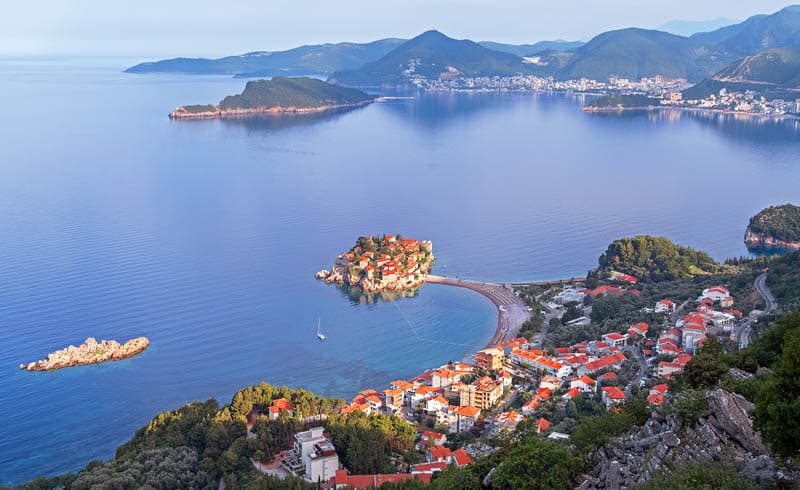
As one of the southernmost European states, Montenegro is a small Mediterranean country with access to the southern part of the Adriatic sea. Montenegro is characterized and recognizable by:
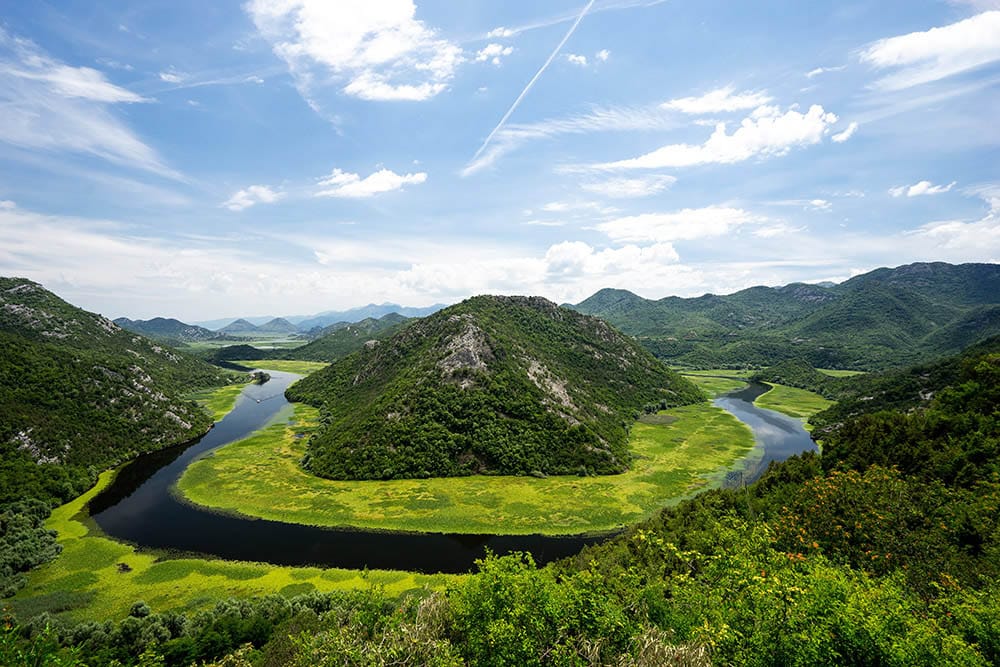
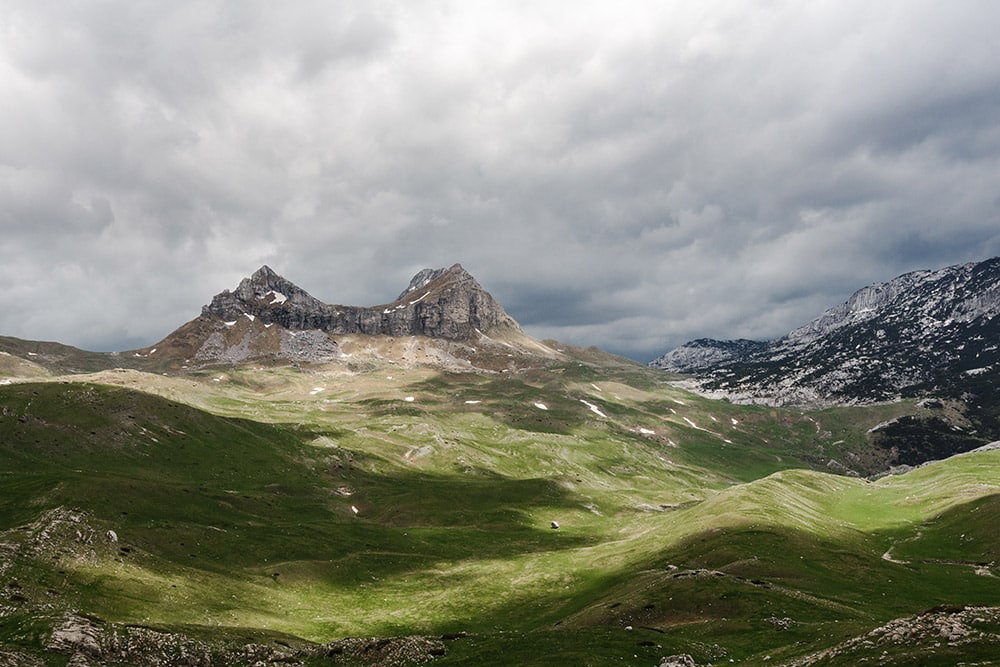
the high diversity of its geography, with a picturesque coast, a mountainous region, many lakes and amazing rivers flowing through the gorges and canyons
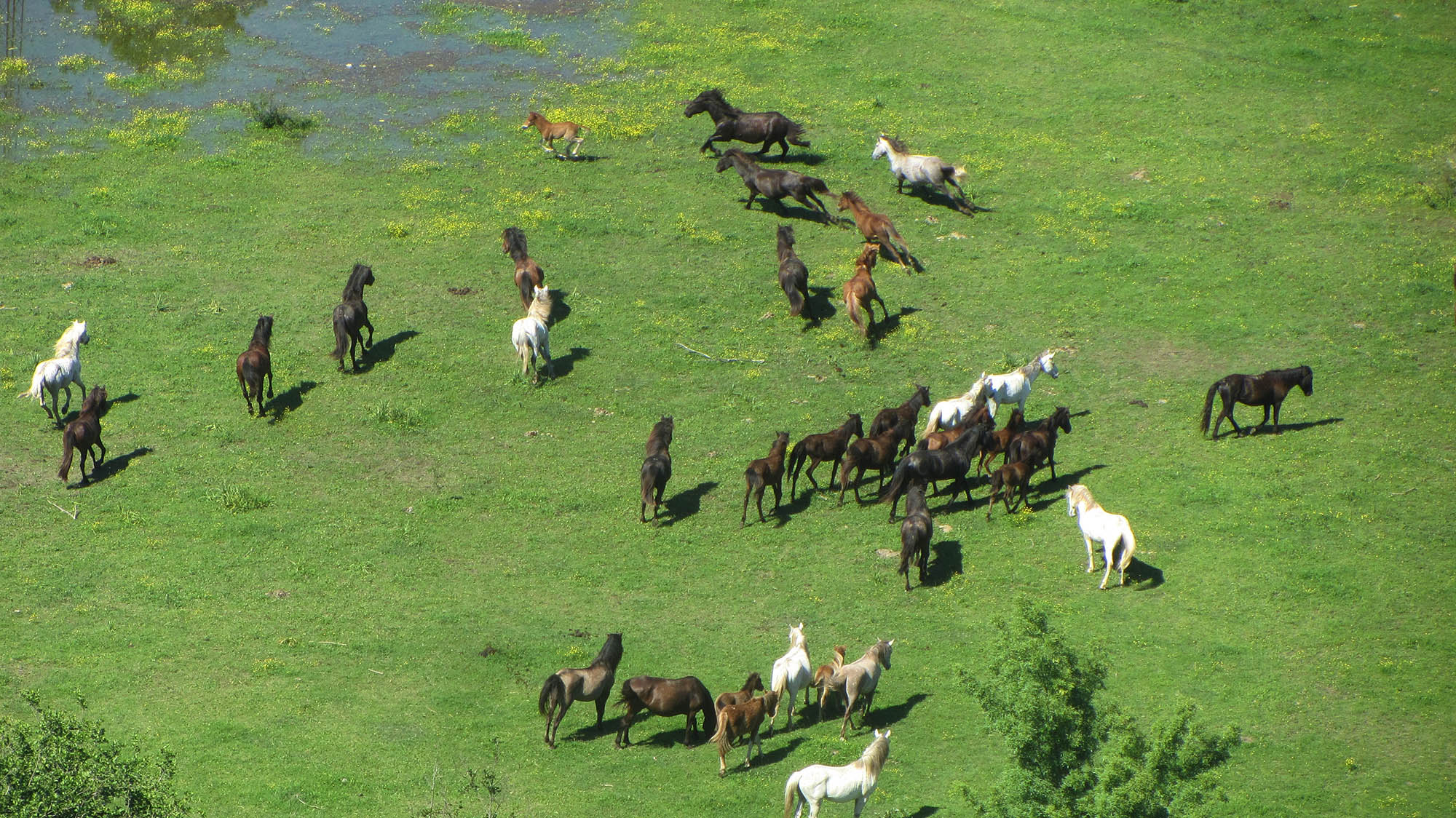
the high biological diversity which is preserved in five national parks
a long and rich history, with truly multi-ethnic and multicultural places and society
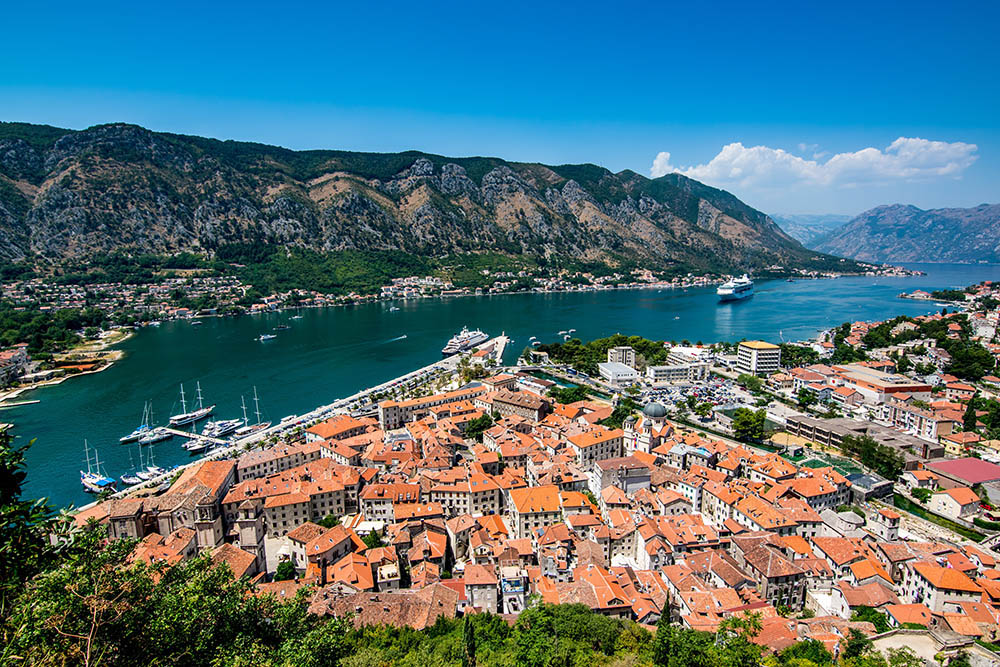
Old town Kotor as the world cultural heritage protected by UNECO
the simple dishes of nationa cuisine with unique tastes made up of pure organic ingredients
the excellent wines from the autochthonous grape variety “Vranac”
DEVELOPMENT OF TOURISTIC SETTLEMENT IN VILAGE ZAGORA -
MUNICIPALITY KOTOR
General overview of Zagora
Climate
Overview of planning conditions
Accessibility
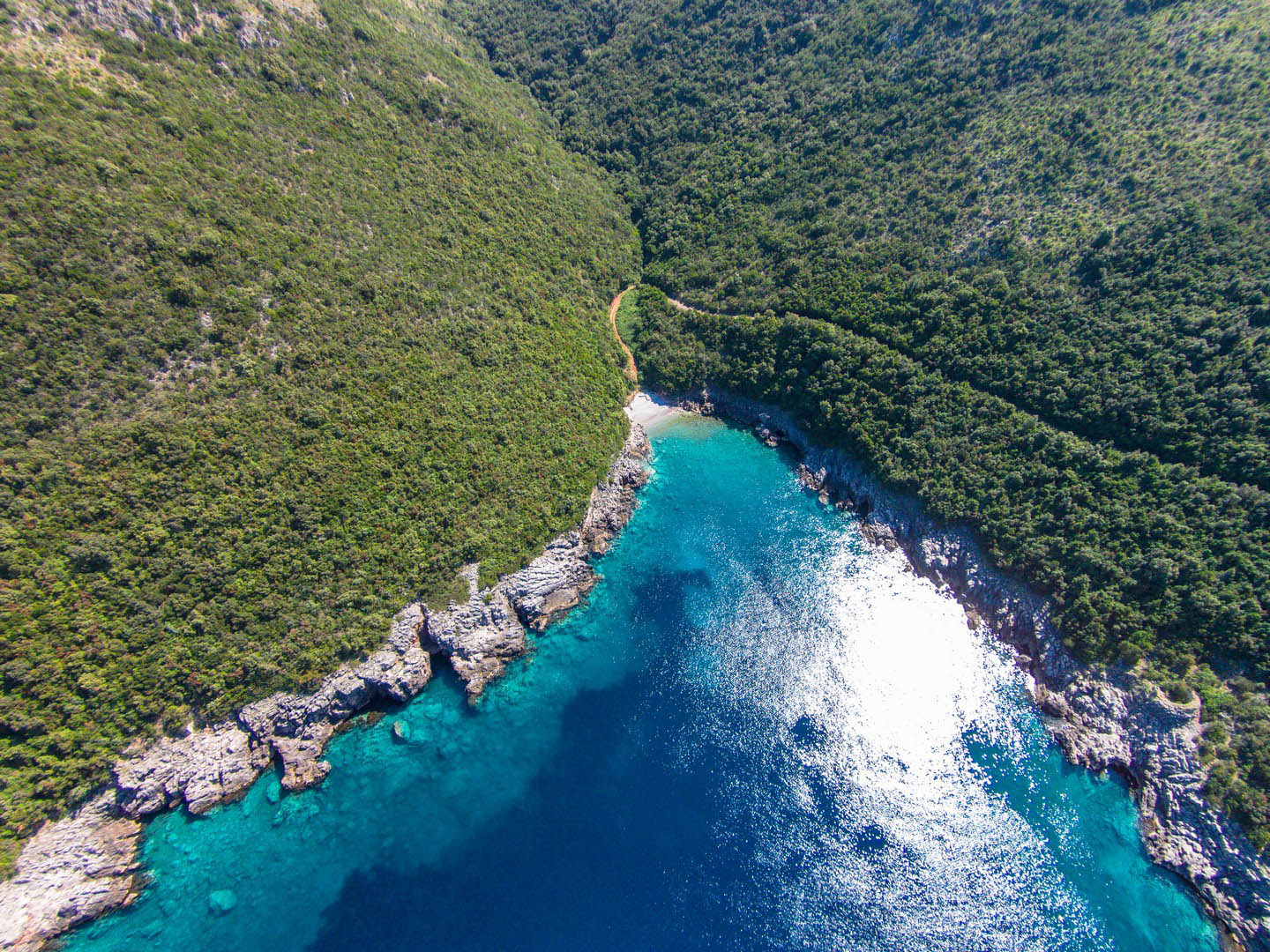
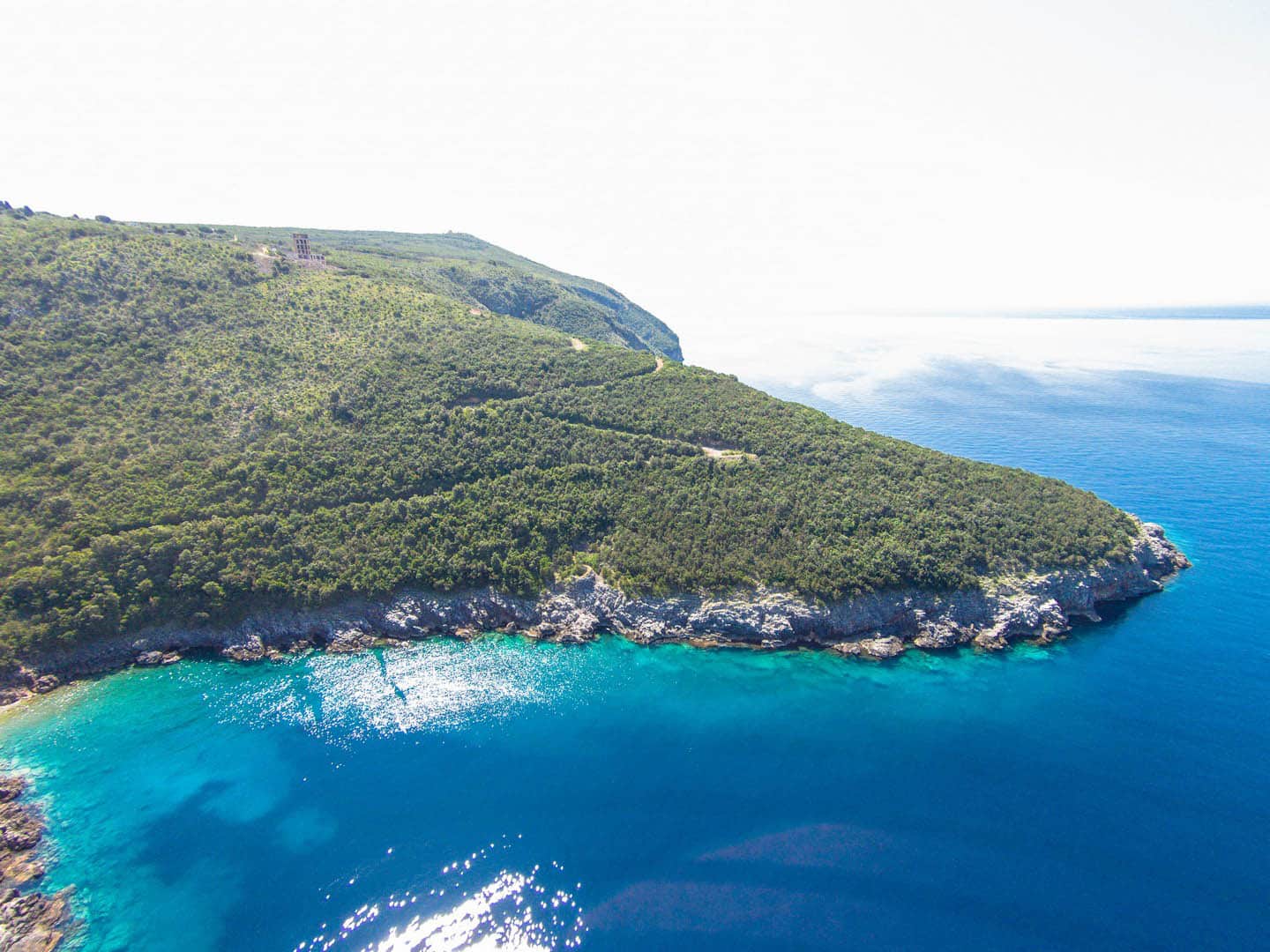
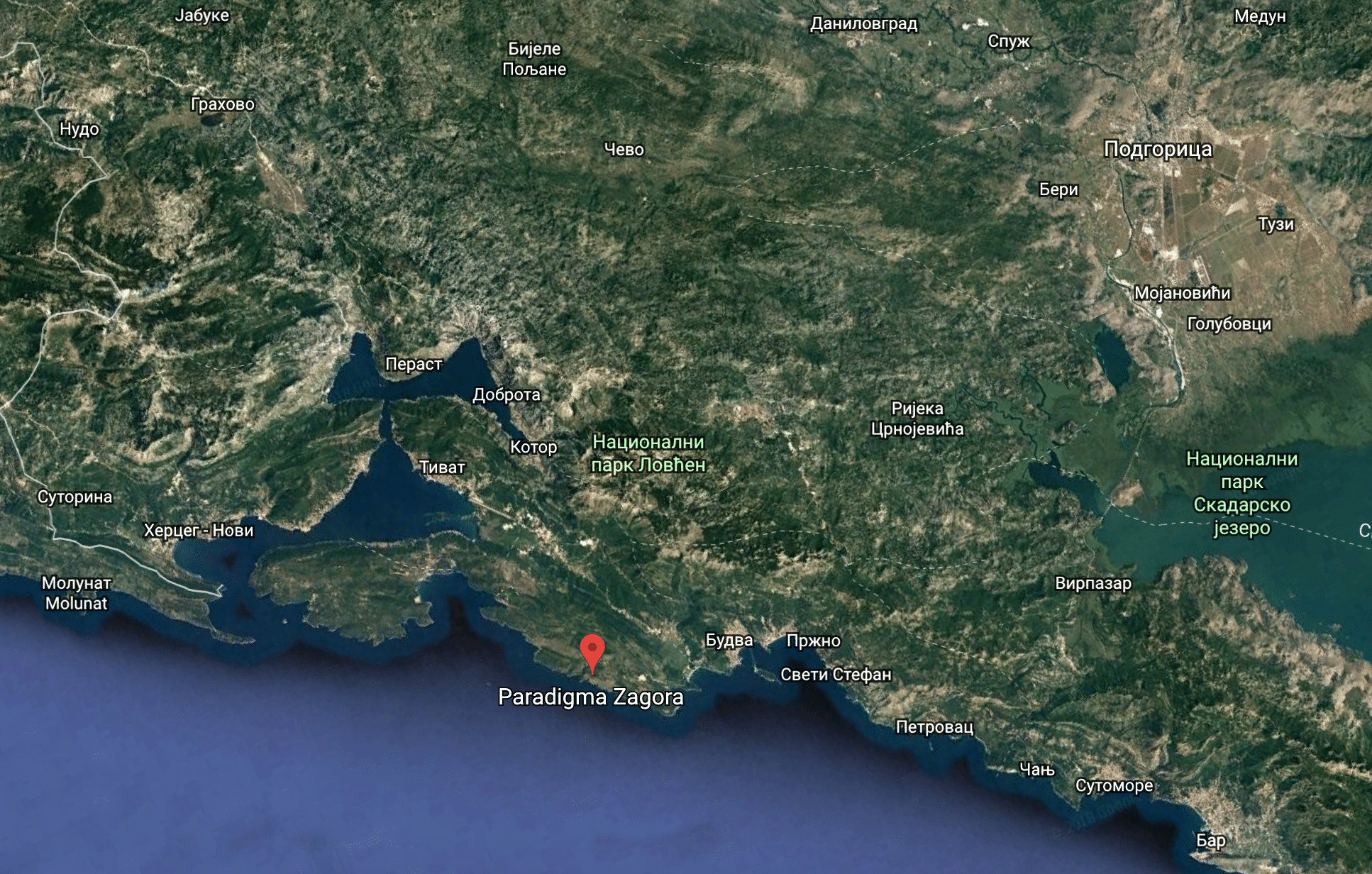
Vilage Zagora belongs to wider area named Grbalj, situated between areas with very intensive tourism: the Bay of Kotor and the Budva Riviera. The Grbalj area has so far been relatively undeveloped and that enables smart planning of space and implementation of the principles of sustainable development. Zagora is located about 15 km west of the centre of Budva. It is a part of the group of five villages: Zagora, Visnjevo, Krimovica, Glavati and Kovaci, gathered around the hill with the church of Sv.Save on top (hence the name „Savina glavica“) Zagora a classical Mediterranean village, is a “hidden” on a hillside of Sutulija peak, where is located the church of St.Ilija from 1865. Part of the village, facing the sea, is covered by a detailed urban plan – DUP Nerin
Mild Mediterranean climate, with average 90 days of cloudy weather and about 115 cloudless days. The most cloudy month is November and most cloudless month is August. Rainfall is much lower than in the inland of the Bay of Kotor. During the colder part of the year, and depending on the distribution of air pressure, the cold and dry northern wind and the wet southern wind dominate, while in the warmer part of the year there is the occurrence of a periodic fairly damp wind, called mistral. Mean annual air temperature is 15.8 ° C. January is the month with the lowest average monthly temperature, while August is the hottest. ─ Number of days with a temperature above 25 ° C is 124.8 ─ The number of days with a temperature above 30 ° C is 49, 8 ─ The number of days with temperature below 0 ° C is 4.3.
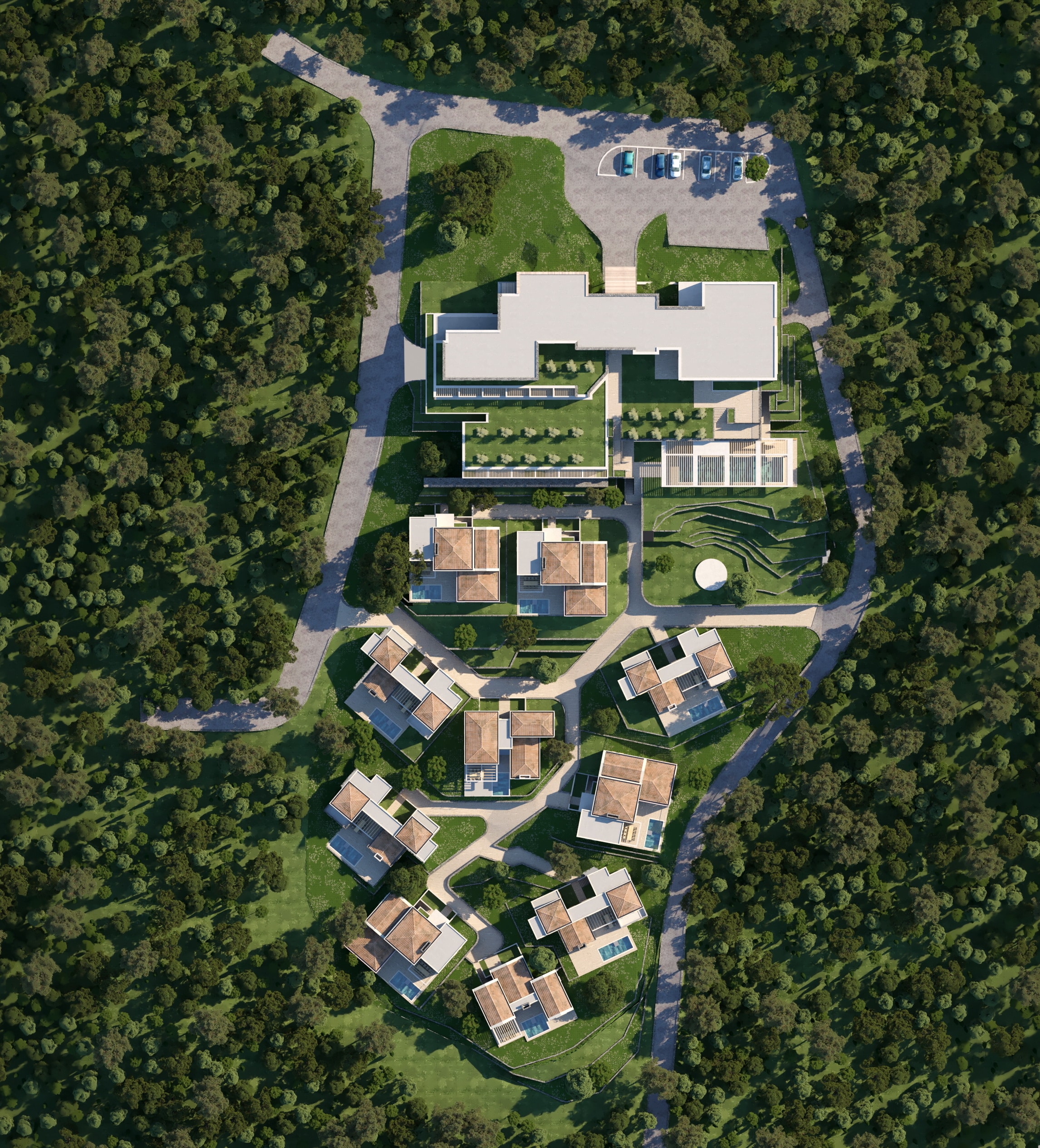
Cadastral Lot’s No. 782, 783 & 784, KO Zagora Municipality Kotor, Private ownership 1/1. Planning : PUP Kotor Assignment : Tourist settlement (T2), min 4* category – hotel & resort, wild beauty resort, eco lodge or similar Allowable GBA aboveground : max 3.439 m2 Coverage area : max 2.866m2 Exposed green spaces on porous soil : – min 6.878 m2 or at least 100 m2 per bed Number of floors : – P+1+Pk above-ground (not to exceed 11,5m); – number of underground floors without restrictions
Accessibility : Zagora can be accessed by car using two roads, in about 15 min from Budva and 25 min from Kotor. One road is at 230 meters above sea level and the other is at 250 m above sea level. Subject site is only 250m away from the road and only about 10km away from the access to the Adriatic highway. Nearest international airport: Tivat (about 20km), Podgorica (about 77km) Nearest key touristic sites: Kotor – Old Town under UNESCO protection of cultural heritage Tivat – Marina Porto Montenegro Cetinje – Historic capital National Parks – Lovcen, Skadar lake, Durmitor, Biograd Hill Beaches – Zagorski pijesak, Platamuni, Jaz, Budva, Bigova Touristic attractiveness : Rural and natural environment, proximity to the sea and premium sea views and climate, cultural heritage , accessibility to the natural beaches as well as the proximity of authentic Mediterranean villages. Touristic opportunities : The site offers secluded peaceful settings for all sorts of specialized tourisms: MICE, medical, wellness, nautical, sport, wildlife educational centres, etc.